
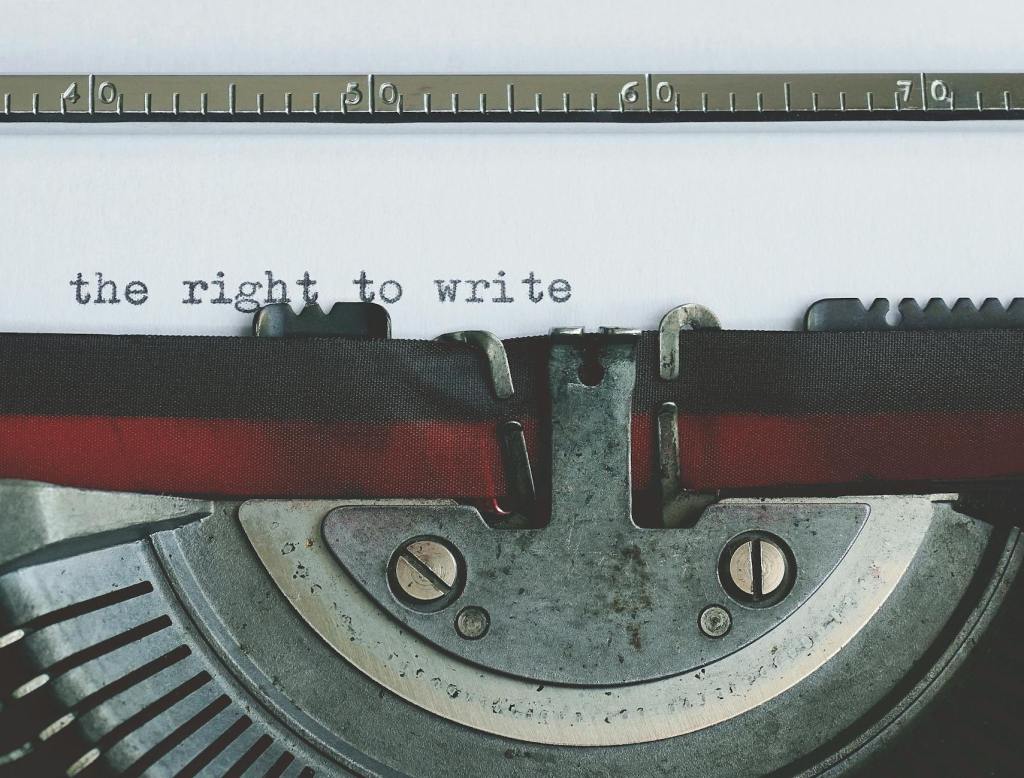
To understand journalism’s impact, it helps to listen to the people doing the work.
Talk to a courthouse reporter in Rolla, someone who covers trials that nobody else wants to sit through. Cases where the room is half-empty and the air smells like coffee and floor cleaner. The decisions made there ripple through families and entire communities. These journalists take notes when no one else will. They wait through recesses and sidebar conversations, watching the judge’s expression and the twitch in a defense attorney’s brow. They report on sentencing hearings, zoning battles, family disputes — the messy, slow-moving heart of democracy. It’s not glamorous, and it’s not fast. But it’s absolutely essential. Their patience is a skill few recognize in a rapidly changing world.
Ask a photojournalist in St. Joseph who waited six hours in the cold, camera lens fogging, to capture a single moment of human dignity in the middle of a protest. Maybe it was a father helping his daughter tie her shoe while police in riot gear stood just feet away. Maybe it was a hug between strangers — one in a red hat, one raising a fist — proof that even in division, we still see each other. Those moments, preserved in pixels and print, carry truth across barriers. They cement the fact that we are all linked through our stories. However messy they may be.
Talk to a sports reporter in Cape Girardeau who covers Friday night lights like it’s the Super Bowl, because for that town — for those players and parents — it is. He writes not just about touchdowns, but about perseverance. About the kid who lost his dad and still showed up to practice. About the coach who quietly paid for a player’s cleats. These aren’t just scores. They’re stories of resilience. Community pride. The things that remind us who we are when the world feels like it’s falling apart.
Call the editor of a small-town paper — maybe in Mountain Grove or Paris, Missouri. These are editors who know half the names in the obituaries and still take pride in writing each one with dignity and care. They’re often the last of their kind: part historian, part watchdog, part therapist. They cover the school board and the fair queen crowning. They track sewage bonds and Christmas parades. They print letters to the editor even when those letters criticize the paper itself — because they believe in dialogue.
They’ll tell you what it means to witness history — not the kind that gets a documentary, but the kind that affects your water rates, your child’s school curriculum, your neighbor’s job. They’ll talk about missed dinners and muddy shoes. About angry voicemails and grateful emails. About tears shed alone in parking lots because objectivity doesn’t mean not feeling — it just means not flinching.
But they’ll also tell you about the honor of it.
The way someone once stopped them in a grocery store aisle to say thank you. The time their story helped a town get a new bridge. The mother who mailed cookies after a feature cleared her son’s name. Or the time a mayor finally fixed the park — not because he wanted to, but because someone paid attention.
Ask any rural radio host working on local news updates between playing gospel records or country classics. They’ll talk about scrambling to cover tornado warnings or school closings. They’ll talk about reading birthdays on air and hearing someone call in, crying, because their name was said out loud — because they were remembered.
In these stories, one truth rises like a watermark: journalism isn’t glamorous, and it’s rarely easy. But for those who do it, it’s not just a job — it’s a calling. Missouri’s journalists are often overworked, underpaid, and barely noticed. But they show up. And in showing up, they remind us that democracy isn’t just an idea — it’s a practice. One meeting. One notebook. One story at a time.
The Cost of Silence
What happens when no one asks the questions?
When no one’s at the council meeting? When no one stays to read the budget spreadsheet or the planning commission minutes? When the school bond quietly fails and no one explains why? When public land gets sold with no public comment, and the headline never runs because the reporter seat is empty?
The cost of silence isn’t just paid in missed news. It’s paid in real consequences. In confusion. In unchecked power. In corruption that metastasizes in the dark. In policies passed without scrutiny, and problems ignored until they explode.
In Missouri, where rural counties stretch wide and city newsrooms grow thin, that silence is getting louder.
Today, more than half of U.S. counties have no local newspaper. Missouri is no exception. According to the University of North Carolina’s News Desert project, many Missouri counties have lost their local papers or reporters, leaving communities without essential coverage. In some counties, there’s not a single full-time reporter. No one to cover court proceedings. No one to file public records requests. No one to verify the rumor that the water’s not safe. No one to report that a developer donated heavily to a city council campaign right before zoning laws changed.
When that local watchdog disappears, civic health declines. Voter turnout drops. Misinformation spreads. Public trust erodes. And it’s not just a media problem — it’s a democracy problem.
Journalism shines a light. Democracy can’t exist in the dark.
It needs tension. It needs accountability. It needs the awkward, necessary presence of someone with a notepad or microphone saying, “Can you clarify what you meant by that?”
There’s an old saying that journalism exists to comfort the afflicted and afflict the comfortable. In Missouri, that often means standing in hard places. It means pressing into a protest. Knocking on a grieving mother’s door. Showing up at the meeting no one else attends. That’s the work. That’s the weight.
Journalism is not designed to make everyone happy. It’s designed to make everyone pay attention.
Newsrooms on the Edge
Across Missouri, local newsrooms are shrinking. In many cases, they’re vanishing altogether.
The Missouri Press Association reports steep declines in the number of full-time reporters statewide over the last two decades. Consolidation has gutted many once-vibrant outlets. Locally owned newspapers — those with institutional memory and local investment — are increasingly bought out by corporate chains or hedge funds. They become skeletons of their former selves, stripped of staff and soul. For example, many community papers have been absorbed by large chains like Gannett, which often prioritize profit over local coverage.
At the Joplin Globe, reporters juggle multiple beats across sprawling rural counties. At the Columbia Missourian, student journalists do professional work under pressure and scrutiny. At the Kansas City Defender, young Black journalists report on stories often missed by the mainstream — stories about equity, justice, and local culture. And at the Missouri Independent, a shoestring team delivers high-impact coverage of state government and policy.
Even college newspapers, like the Maneater at Mizzou or The Missouri Western Griffon News, serve as essential pipelines of truth. These students often cover real issues affecting their campuses — housing, tuition, safety — long before larger outlets take notice. They learn fast that journalism isn’t theory. It’s practice, pain, and purpose rolled into a deadline.
Beyond the papers, freelancers pick up the slack — working for pennies per word. Retired journalists still write because they can’t help but care. Small-town editors write, edit, shoot photos, lay out pages, and sometimes sweep the floors too. These aren’t just journalists. They’re lifelines.
And they’re not doing it for clicks. They’re doing it because someone has to.
Because if they don’t, no one else will.
What You Can Do
Supporting local journalism in Missouri doesn’t require a press pass. It requires participation.
It means subscribing — yes — but also reading, sharing, commenting, and caring. It means recognizing the humanity behind the byline. Each article is the product of hours of effort: interviews, edits, rewrites, fact checks. That work deserves an audience — and a thank you.
Buy the Buffalo Reflex. Pick up the Maries County Advocate. Read the Riverfront Times even when it makes you uncomfortable. Share an investigative piece from the St. Louis American. Thank a reporter. Send a tip. Correct an error kindly.
Show up for fundraisers that support student media. Advocate for journalism education in Missouri schools. Donate to nonprofit newsrooms like the Missouri Independent or your local NPR affiliate, such as St. Louis Public Radio. Help them keep the lights on and the truth flowing.
Teach your kids to read the news — not just scroll it. Show them how to question sources, check facts, and think critically. The News Literacy Project offers great resources to help families and educators navigate today’s media landscape.
And remember: journalism isn’t just about politics, crime, or big headlines. It’s about everything that ties a community together — the boil order update, the city council vote, the high school football score. Journalism is how a place talks to itself.
When that voice disappears, so does our reflection.
So write the letter to the editor. Show up at the public forum. Push your local newsroom to be better — and support them when they are. Journalism is a feedback loop. It works best when citizens are engaged and vocal.
Create the News You Need
Journalism is not just something you consume — it’s something you can create.
In today’s digital landscape, Missourians have the tools to become citizen journalists. You don’t need a degree to ask hard questions or document what’s happening in your community. Start a Substack newsletter (see Substack). Launch a podcast with Anchor. Film a city council meeting and upload it to YouTube. Interview your neighbors about what matters to them — then share it.
Apps like Notion, Otter.ai, or Anchor make it easier than ever to report, transcribe, and distribute content. Tools like Canva or Adobe Express help present your work in a professional format. If you see a need — fill it. Start a neighborhood newsletter. Cover your school board. Publish a piece about local history or the diner that just shut down.
Reach out to your local newsroom and ask how you can help. Submit a guest column. Volunteer photos from local events. Provide leads, corrections, and context.
And if you’re part of a younger generation — a high school student, a college undergrad — get involved now. Your voice matters. Your perspective adds depth. Journalism isn’t just about experience — it’s about curiosity, commitment, and care.
In a time when the information gap keeps widening, we need new voices stepping in. So don’t wait for permission. Start asking. Start documenting. Start writing. Because every community deserves to be seen — and you just might be the one to make that happen.
Why Missouri Matters
Missouri isn’t just a flyover state. It’s a compass.
It’s a cultural crossroads, a bellwether for the American experience. From the protests in Ferguson to the policies passed in Jefferson City, from small-town school board battles to urban redevelopment fights, Missouri is often the proving ground for national narratives.
And when local journalists cover those stories first — honestly, thoroughly, without spin — they define the record before national media parachutes in. That matters.
Missouri’s blend of rural and urban, conservative and liberal, makes it a microcosm of the country. We eat breakfast at church fundraisers. We debate bills at barbershops. We still talk to each other — even when we don’t agree.
That’s why local journalism matters here more than ever. Because we’re not just observing the American story. We’re writing it.
A Final Word
It all starts with a question.
One that nags at the edge of the mind. One that pulls a reporter out of bed, or keeps them late in the office. One that matters enough to chase.
In the digital age — with all our tools and technology — the core of journalism remains unchanged: Go. Look. Ask.
And then: tell the truth. Even when it’s hard. Especially when it’s hard.
That’s what journalism is.
That’s what Missouri needs.
And that’s what we all must choose to support — not just for the headlines, but for the health and soul of our state.
 Show Me Sites
Leave a comment